Earthmoving
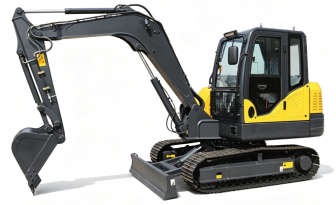
Mini excavator, 6 t, Yanmar diesel, cab with air conditioning (FWJ-6000)
Operating weight: 6,000 kg
R764 243Made to order, about 10–12 weeks
07 / Earthmoving & construction
Excavators, loaders, rollers, concrete plant and cranes sourced direct. We know what a dealer floor charges for a five-tonne excavator, and we know which parts of the specification survive a South African site and which ones are brochure filler.
Every price below includes freight, import duty and clearing. Ask about anything not listed; most of this class is available to order. Filter and sort all 7 in the shop →
Operating weight: 6,000 kg
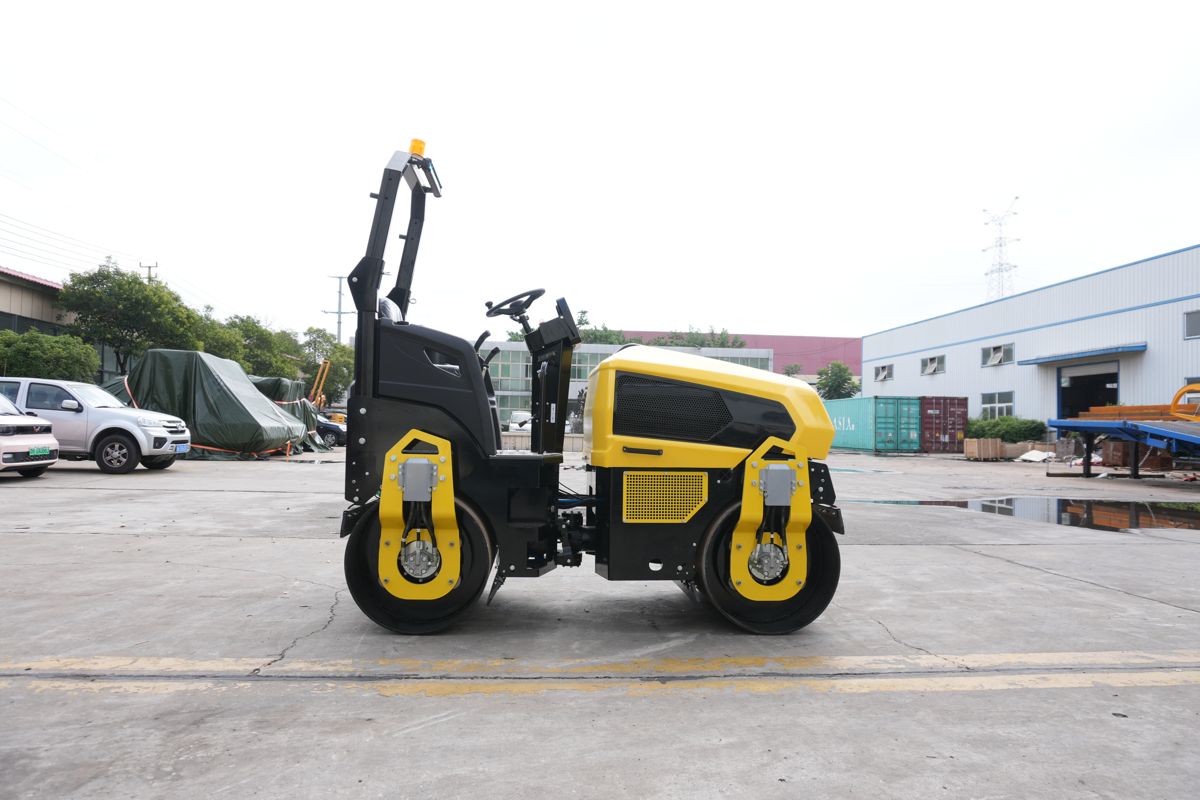
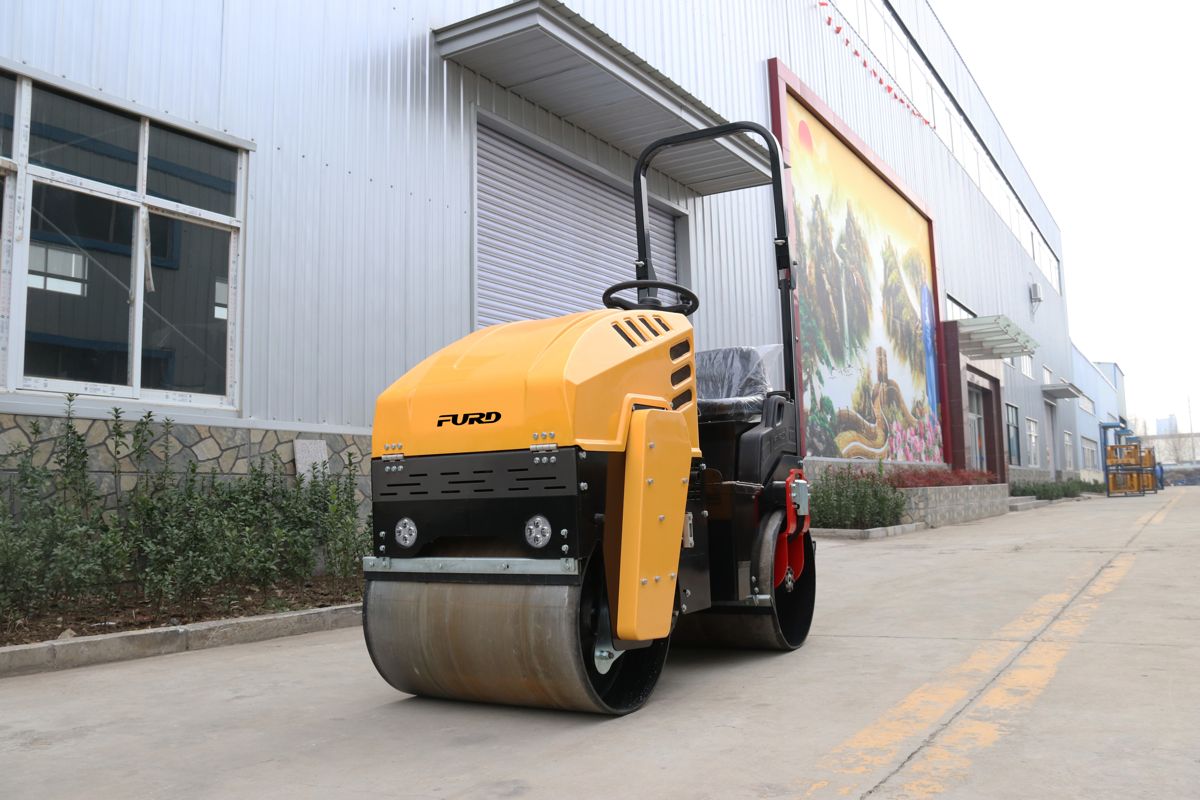
Drive: Full hydraulic, stepless (CVT), both drums driven; 0 - 5 to 0 - 12 km/h; 30 - 40% gradeability
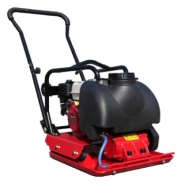
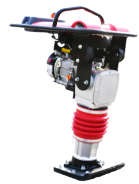
Plate compactors: FPB-15: 510 x 490 mm plate, 15 kN; FPB-20: 430 x 550 mm, 20 kN, 70 Hz; FPB-S30G: 500 x 690 mm, 30 kN, reversible
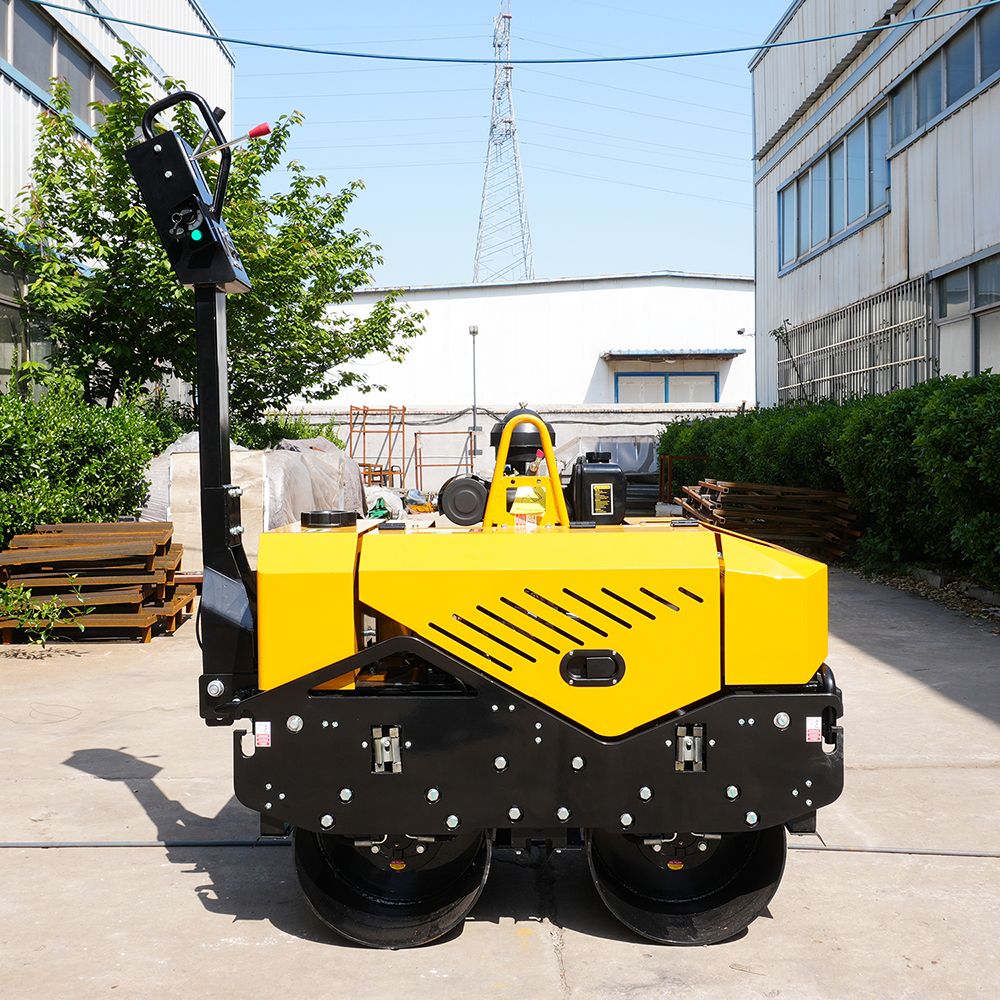
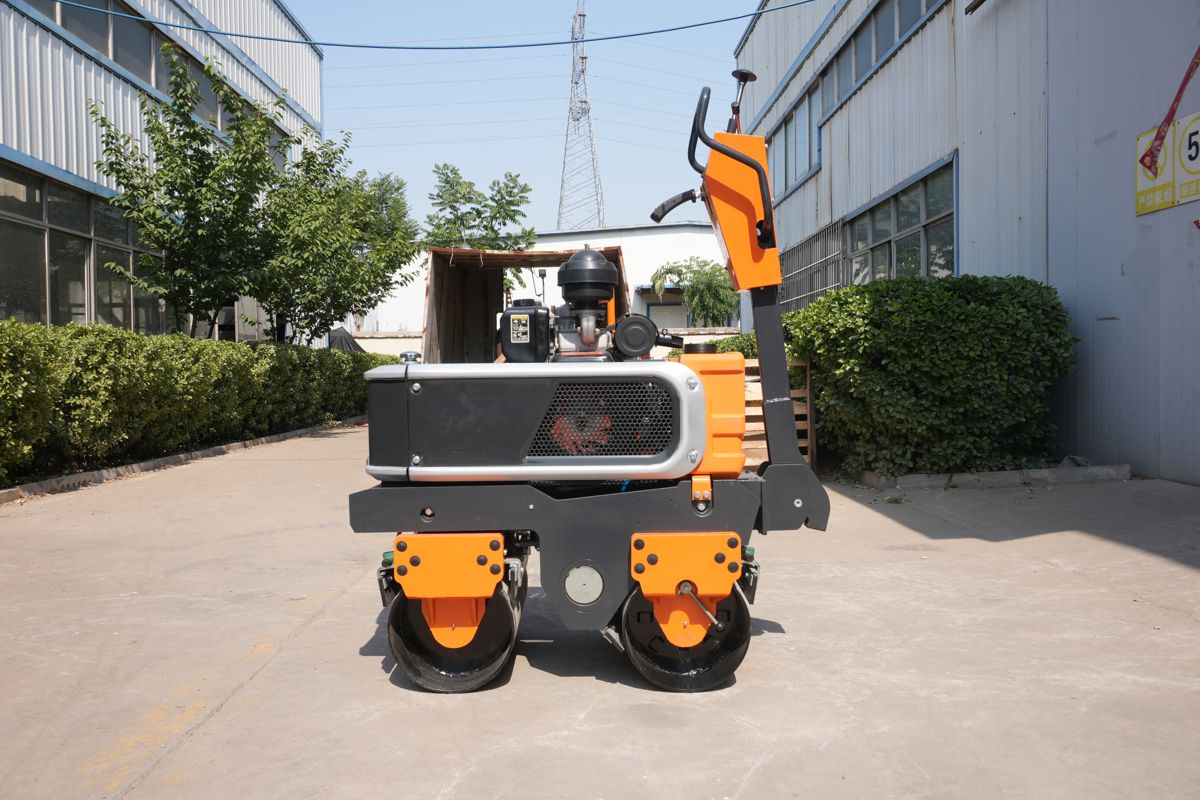
Drive: Hydraulic, 0 - 3 km/h (single drum) or 0 - 4 km/h (double drum), 30% climbing ability
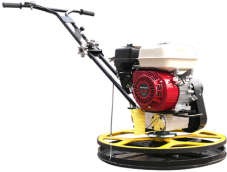
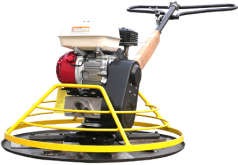
Walk-behind: 24, 30, 36 and 46 in (60 - 120 cm working diameter), 4 blades, 0 - 130 rpm
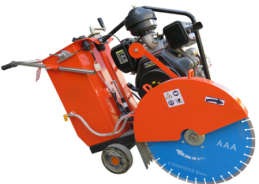
Blade: 500 mm diameter, cutting depth 170 mm
Drum: 510 L drum, 350 L per batch
Sizes below are the common bands. Tell us the job — the material, the depth, the cycle times you need — and we'll size the machine to it rather than to the brochure.
| Machine | Typical range | Worth specifying |
|---|---|---|
| Tracked excavators | 1 – 25 t | Undercarriage spec, boom config, quick hitch |
| Mini & midi excavators | 1 – 8 t | Zero tail swing, rubber vs steel tracks |
| Wheel loaders | 0.8 – 5 m³ bucket | Breakout force, tyre spec, ride control |
| Skid steer loaders | 500 – 1200 kg | Attachment plate standard, auxiliary flow |
| Backhoe loaders (TLB) | 70 – 100 hp | 4×4, extendable dipper, hydraulic couplers |
| Bulldozers | 60 – 220 hp | Blade type, ripper, track shoe width |
| Motor graders | 120 – 200 hp | Blade width, articulation, scarifier |
| Rollers & compactors | 1 – 20 t | Single vs double drum, padfoot option |
| Plate compactors & rammers | 60 – 500 kg | Plate size, centrifugal force, engine |
| Concrete mixers | 260 – 750 L | Drum type, hopper feed, diesel vs electric |
| Batching plants | 25 – 90 m³/h | Silo capacity, mixer type, control system |
| Tower cranes | 4 – 12 t | Jib length, freestanding height, erection method |
| Mobile & truck cranes | 8 – 50 t | Boom length, outrigger footprint, road legality |
| Attachments | Breakers, augers, grabs | Carrier weight class, pin size, oil flow |
Not on the list? Send a photo or a model number: we can source most plant in this class.
Price is the easy part. These are the specification points that determine whether the machine is still billing hours in year five.
Rollers, idlers, sprockets and chains are the single biggest running cost on an excavator or dozer, and the cheapest place for a factory to save money. Ask what the undercarriage is rated for and what a full set costs before you compare two machines on sticker price.
Auxiliary hydraulic circuits for a breaker or auger are cheap to fit at the factory and an expensive, untidy retrofit here. Decide now which attachments you will run in the next five years and have the machine plumbed for them before it ships.
Transport width, height and mass decide whether moving the machine between sites is a routine load or an abnormal one needing permits and escorts. That difference lands on every single move for the life of the machine, so we flag it in the quote.
Not engines. The parts that idle a machine on a live contract are consumable, cheap and easy to ship in the same container. We specify a kit covering the first services plus common wear items so the first year is not hostage to a lead time.
That's the honest trade. No branded service truck is coming to your site. Budget for a relationship with a good plant mechanic, and buy with that in mind — which is an argument for conventional, serviceable engineering over deeply electronic machines.
An undersized machine works at its limit all day and wears out early; an oversized one costs you on fuel, transport and float every week it is on site. Tell us the actual task and we will size on cycle time and reach, not on horsepower.
Roughly eight to fourteen weeks door to door for a standard machine — build, sea freight to South Africa, clearing, then a lowbed to site. If it has to be there for a contract start, tell us the date first and we will work backwards from it.
Usually the hydraulic pump, the final drives and the undercarriage — the parts you cannot see and cannot cheaply replace. The engine badge tends to matter less than buyers expect. We quote at more than one build quality and tell you which components differ.
We itemise quotes so your bank or asset finance provider can work from them directly, with the full landed value and specification attached. The approval decision is theirs — but the paperwork won't be what stalls it.
Only if you order them. Buckets, breakers and couplers are far cheaper added to a container that is already shipping than brought in separately later, and ordering together is the only way to guarantee the pin sizes and flow rates match on arrival.
Material, depth, reach, how many hours a week it will run — that's enough for us to come back with options, a landed price in Rand and a realistic delivery date.
