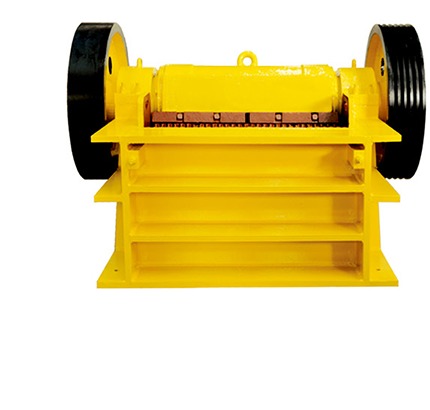
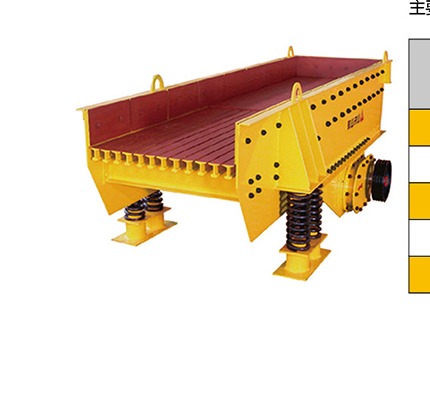
Jaw crushers, PE and PEX (50 - 180 t/h primary, fine secondary)
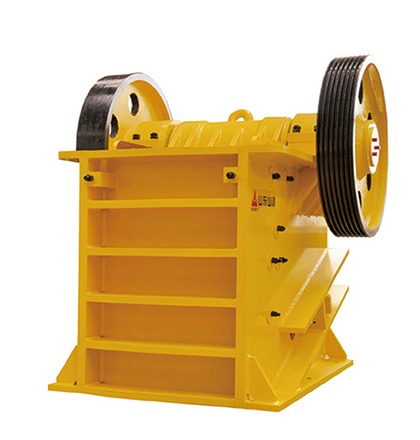
PE600x900: Feed opening 600 x 900 mm, max feed 520 mm, output 65 - 130 mm, 50 - 150 t/h, 75 kW, 2240 x 2128 x 2530 mm, 16.6 t
08 / Mining & quarrying
Crushers, screens, conveyors, wash plants, drills and compressors sourced direct. What decides a crushing circuit is not the crusher — it is the feed material and the wear cost per tonne. We ask about both before we quote anything.
Every price below includes freight, import duty and clearing. Ask about anything not listed; most of this class is available to order. Filter and sort all 5 in the shop →


PE600x900: Feed opening 600 x 900 mm, max feed 520 mm, output 65 - 130 mm, 50 - 150 t/h, 75 kW, 2240 x 2128 x 2530 mm, 16.6 t

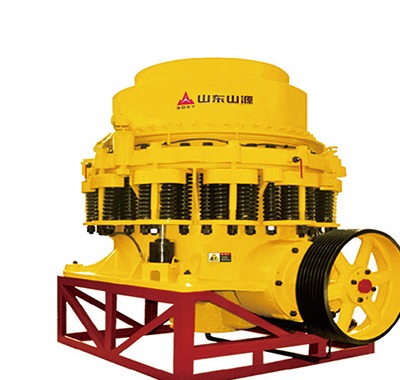
Cone diameter: 1295 mm (4 1/4 ft)

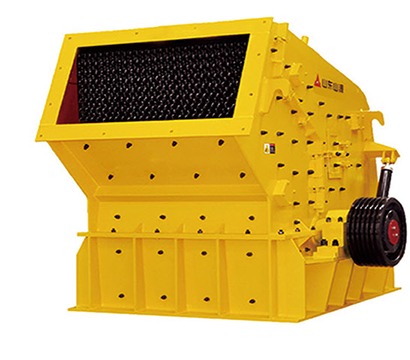
PF1214: Rotor 1250 x 1400 mm, feed opening 755 x 1440 mm, max feed 140 mm, 70 - 180 t/h, 132 kW, 3545 x 2462 x 2640 mm, 18.6 t

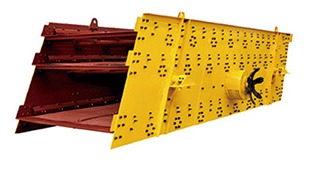
3YK1548: Screen 1500 x 4800 mm, 3 decks, mesh under 70 mm, feed under 120 mm, 50 - 200 t/h, 15 kW

Models: ZSW380-96 and ZSW490-110
Capacities below are the common bands. Tell us the material, the feed size and the tonnes per hour you need and we'll size the circuit to it.
| Equipment | Typical range | Worth specifying |
|---|---|---|
| Jaw crushers | Primary, 50 – 500 t/h | Feed opening, closed side setting, jaw plate cost |
| Cone crushers | Secondary & tertiary | Mantle and bowl liner cost, hydraulic setting |
| Impact crushers | Horizontal & vertical shaft | Blow bar material and cost, rotor speed |
| Hammer mills & roll crushers | Fine reduction | Product size range, wear part life |
| Vibrating screens | Single to four deck | Deck size, screen media type, stroke |
| Grizzly & vibrating feeders | Apron & pan | Feed rate, scalping capacity |
| Belt conveyors & stackers | 500 – 1200 mm belt | Belt width and grade, idler spacing, drive |
| Wash plants & log washers | Sand & aggregate | Water consumption, recycling, throughput |
| Classifiers & hydrocyclones | Spiral & cyclone | Cut point, wear liners |
| Ball & rod mills | Batch & continuous | Mill size, liner type, media consumption |
| Magnetic & gravity separation | Drum, spiral & shaking table | Recovery rate for your ore, capacity |
| Drill rigs & rock drills | DTH & top hammer | Hole diameter and depth, air requirement |
| Diesel & screw compressors | Portable, 5 – 30 m³/min | Free air delivery, pressure, engine brand |
| Wear parts & liners | Manganese & chrome | Alloy grade, expected life, availability |
Not on the list? Send a photo or a model number: we can source most crushing and screening plant in this class.
Price is the easy part. On a crushing circuit the machine cost is quickly dwarfed by what the wear parts cost you per tonne.
Jaw plates, mantles, blow bars and screen media are consumed continuously, and their cost dominates the economics within the first year. Ask the alloy grade, the expected life in your material, and the replacement price. A cheaper crusher eating expensive liners is the more expensive machine.
Hardness, abrasiveness, moisture and feed size change everything about which crusher suits and how long the wear parts last. A machine that runs beautifully on soft limestone will be destroyed by abrasive quartzite. Send us the material analysis and the feed size before we quote.
A crusher that outperforms the screen behind it produces a stockpile, not product. Feeder, crusher, screen and conveyors have to be matched, and the bottleneck is rarely where people expect. Tell us your target product spec and tonnage and we size the whole line.
Fixed plant on grid power is cheaper to run; diesel-driven mobile plant goes where the material is. Both are available and the decision affects the whole specification. We ask what your site has before quoting rather than assuming.
Crushing plant is heavy and large, and freight is a material part of the landed cost rather than a rounding error. It is why we quote landed rather than FOB — an FOB price on a crusher tells you very little about what it costs on your site.
That's the honest trade. There is no branded technician on standby and no next-day liner delivery. Budget for a relationship with a good local fitter, and hold a wear-part stock — which is an argument for buying the spares with the machine rather than after.
Yes, and we would push you to buy them with the original order. Liners and jaw plates shipped with the machine cost a fraction of what they cost sourced urgently later, and a plant standing still waiting for a mantle costs more than the part.
That depends entirely on the material, which is why we ask for the analysis and the feed size up front. Hardness and abrasiveness determine both the machine choice and the wear cost, and we would rather tell you a machine is wrong for your rock than sell it to you.
Mobile plant follows the material and needs no civils, but costs more per tonne and carries a diesel engine to maintain. Fixed plant is cheaper to run if the material comes to you. Tell us how your site works and we will say which we would choose.
Delivery is in the landed price to a reasonable delivery point. Heavy plant sometimes needs abnormal load permits and specialised offloading, which we quote separately where they apply rather than leaving them out and surprising you.
What you are crushing, the feed size, the product spec you need and tonnes per hour — that's enough for us to come back with options, a landed price in Rand and a realistic delivery date.